Tips for Using Acronyms in Your Marketing
Lately, I’ve been noticing more and more businesses and organisations using acronyms in place of their full brand name.
As an advocate for brevity, I’m all for keeping things simple.
However, by using an acronym, are we really simplifying and making communication easier, or is it in fact creating even more confusion?
Call me old, but in this world of LOLs, ROFLs, ICYMIs and POVs, I’m barely keeping up with all the acronyms I apparently need to know just to sound cool, and I really don’t want to learn anymore so that I can hope to remember business names as well.
But if you do have a ‘Really Long & Tedious Name’ for your business, there certainly are benefits to shortening it to ‘RLTN’.
The benefits of using an acronym:
saves time writing (or typing) it out
creates familiarity and connection, like using someone’s nickname
creates a sense of inclusivity to those who are familiar with it (the ’in’ crowd’)
You can create community around it
However if you’re ONLY using an acronym to market and advertise your business, there are potential pitfalls as well.
The downside of using JUST an acronym:
not everyone understands what it means
creates confusion
doesn’t clearly identify your business
creates a sense of exclusivity to those who are unfamiliar with it (feeling like they don’t belong)
missed opportunities
Storytime…
There’s a music studio in a neighboring town called “Sydney Music Studio”. They’ve since gained popularity and grown a great little community in the area, and are affectionately know as SMS to the staff, students and families attending.
Because of their growth, they’ve recently rebranded - predominantly as SMS so as to press into their growing community - which has been really well received with existing students and families.
However the new signage on their studio just says ‘SMS’. No mention of what SMS stands for or what goes on behind the doors.
I can’t help but think of all the people who don’t yet know about Sydney Music Studio who will walk past the shop and never enquire - new residents, visitors from neighboring suburbs, and those that never had music on their radar before, but have recently thought they’d like to take it up. It’s a missed opportunity! The sign may as well be blank!

Photo by Lidia Zajdzińska on Unsplash
Tips for using an acronym in your marketing:
Where possible, always display the acronym AND the full business name together (or close by) to give context
Think of your audience - newsletters and social media groups that speak to existing customers or community members could use the acronym, while any marketing or advertising that is seen by new audiences (like signage, brochures, posters, newspaper ads etc) would need the full business name.
When designing your logo, make sure you have ‘adaptable’ or ‘responsive’ versions that you can use in various situations while still maintaining brand consistency. For example, a logo that includes the full name, another with the full name and the acronym incorporated, and another with just the acronym. You can even include a symbol or graphic that could be used across all options for additional brand recognition.
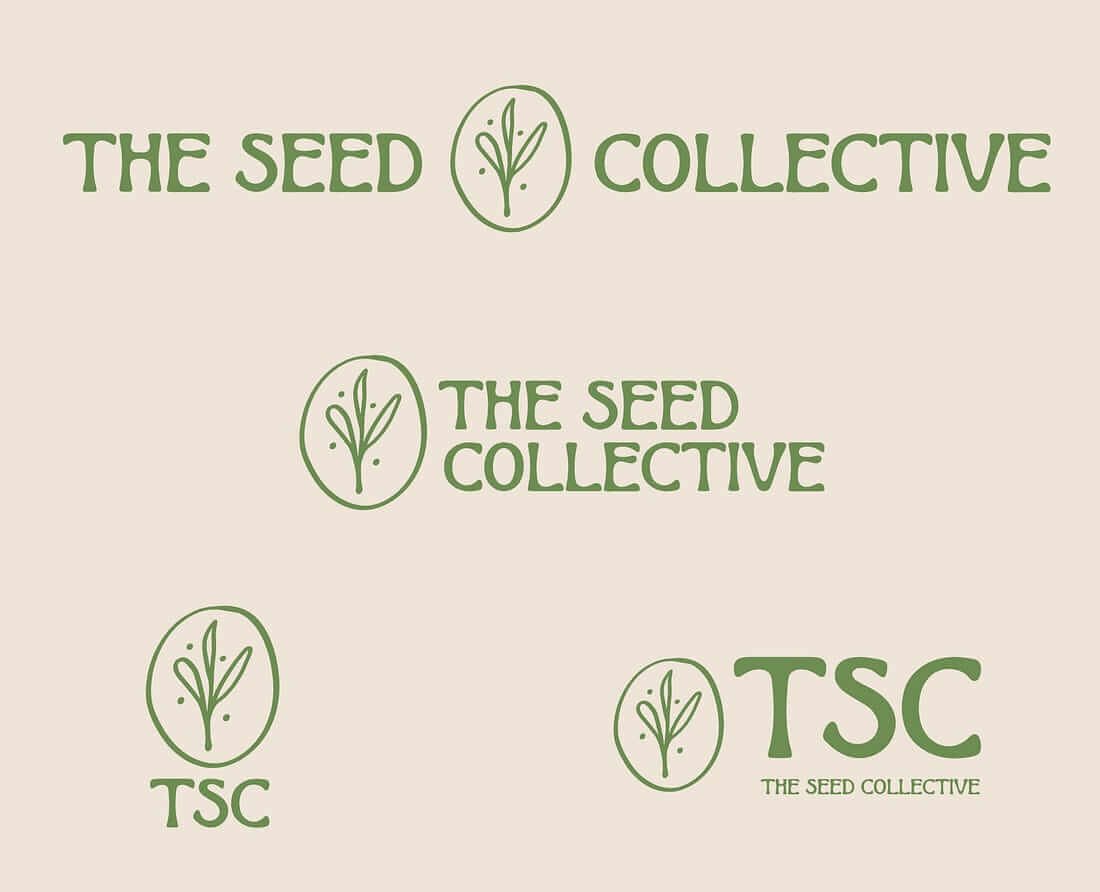
Example of a logo I designed that has adaptable options.
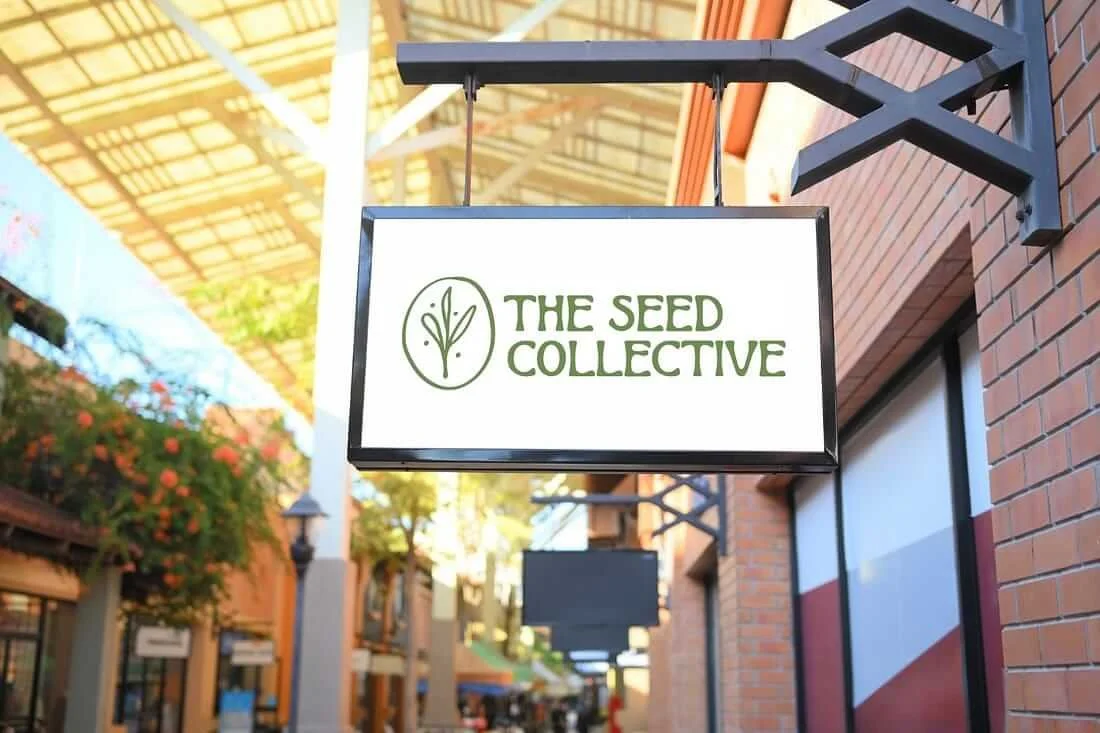
Where a NEW audience is seeing your brand, use your full brand name.
Don’t miss out on new customers and more opportunities by choosing cuteness over clarity.
Yes, have fun with your brand! But make sure you’re still clearly communicating what you do so that your business continues to grow.