What’s the Difference Between Visibility and Engagement
In today’s noisy digital marketplace, everyone seems to be on a quest to increase their visibility.
Post more on social media. Pay more for online ads. Get a bigger sign.
And rightly so. It makes sense to conclude that “the more people who can see my business, the more people who will buy”.
While that may be the case in some instances, it isn’t always a hard and fast rule. You can still have high visibility, but low engagement.
So what’s the difference between ‘visibility’ and ‘engagement’?
VISIBILITY is the degree by which people can see and take notice of you or your business. By increasing your visibility, more people will become aware of you, and more people will see your marketing and advertising.
ENGAGEMENT, however, is the degree by which your audience interacts with or responds to your marketing and advertising. It might be a simple like or comment on social media, getting in touch for a quote, or even making a purchase.
As I was thinking about this the other day, I came across - or actually drove past - the perfect example.
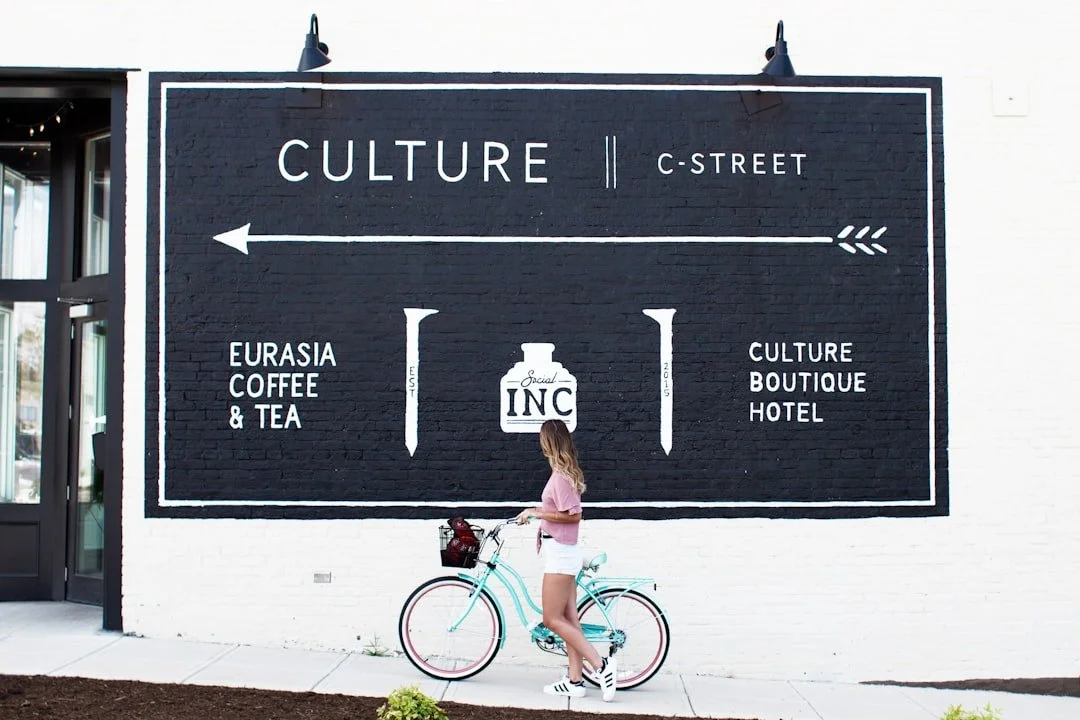
Photo by Paige Muller on Unsplash
Pulling up at a red light at a busy and large intersection, I noticed an advertising sign positioned across the other side of the road. It wasn’t a huge billboard, but it was still big enough to get my attention.
What a great spot to advertise, I thought. It’s positioned right where drivers stop regularly at the lights, and naturally look at the sign.
Except, I didn’t know what the sign was advertising! I couldn’t actually read it!
The text was too small to read from the other side of the intersection. Even as I later drove through the intersection directly in front of the sign, I still couldn’t make it out. That’s how small the text, and how cluttered the sign was.
Not to worry, I thought. The photo on the sign will give me some context as to what the message is.
Nope. The image they used was quite busy with lots of small details, so I couldn’t make out what the photo was about either.
This was a decent size sign ✅
in a great location ✅
with tonnes of visibility ✅.
But unfortunately poor design meant that very few people, if any, could actually read the message and buy whatever it was they were selling. What a waste of money, and a waste of a great opportunity!
Consideration also needs to be made to where the sign was actually placed - at a busy traffic intersection. Only people stopping at a red light have possibly 1 minute to read it. But most people are in motion with only 1-2 seconds reading time as they drive past.
If the same sign was positioned at a bus stop where people are sitting up close with lots of time to read it, the business would have received a lot more engagement and response to their advertising efforts.
By simplifying the design to include one catchy headline and one very simple call to action (like an easy-to-remember web address) passers by would have been able to read their brand message and know how to take the next step.
Other examples of high visibility but low engagement might be…
Paying for ads to come up first in Google searches, but when people click through to your website the design makes it difficult to read, so busy viewers will click over to the next site.
Investing time to post more on social media, but your graphics are difficult to read so people scroll past.
Buying a stand at an industry expo, but your visual brand looks amateur causing lack of trust from attendees, and hesitation to interact.

Photo by Austin Distel on Unsplash
So whenever you’re strategising ways to increase your visibility, also strategise the tactics that will ensure those seeing your marketing designs can also understand your message and easily take action. Think about the purpose of the marketing channel and the people using it, and how they would best interact with it.
Even with high visibility, if your audience is unable to read, perceive or understand your marketing message, or know how to take the next step, they won’t be able to engage and make the purchase.
Sign up below to download my checklist “10 Ways to Increase Engagement”.